Table of Contents
Pharmaceutical dossier preparation is a critical component in securing regulatory approval for drug products in international markets. A well-organized and comprehensive dossier demonstrates adherence to the stringent standards set by regulatory authorities such as the U.S. FDA, European Medicines Agency (EMA), Medicines and Healthcare products Regulatory Agency (MHRA) in the UK, Therapeutic Goods Administration (TGA) in Australia, Pharmaceuticals and Medical Devices Agency (PMDA) in Japan, and the Central Drugs Standard Control Organization (CDSCO) in India.
This guide presents a step-by-step approach to preparing a high-quality pharmaceutical dossier that meets global regulatory expectations and facilitates a smooth and successful submission process.
What is Dossier?
A dossier in pharmaceuticals is a comprehensive collection of documents that provides detailed scientific, technical, and administrative information about a drug product or drug substance. It is submitted to regulatory authorities to obtain marketing authorization or approval for the product in a specific country or region.
Dossier Prepare & Submission Process Step by Step
Step 1: Understand the Regulatory Requirements
Each country has its own regulatory framework for pharmaceutical dossier submissions. Understanding these requirements is crucial before you begin dossier preparation.
The most commonly accepted dossier formats include:
1. Common Technical Document (CTD) / electronic CTD (eCTD):
Widely accepted in the United States, European Union, Canada, Japan, Australia, and many other ICH member countries.
2. ASEAN Common Technical Dossier (ACTD):
Specifically designed for regulatory submissions in Southeast Asian countries.
3. Non-CTD Dossier (NCTD):
Some countries, especially in Latin America, Africa, and other regions, may follow country-specific dossier formats that differ from the CTD structure.
Tip: Before beginning dossier compilation, always refer to the latest regulatory guidelines issued by the national authority of the target country (e.g., US FDA, EMA, TGA, PMDA, etc.).
Step 2: Assemble the Dossier Structure
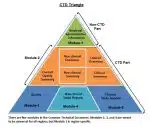
The Common Technical Document (CTD) format or electronic Common Technical Document (eCTD) is organized into five distinct modules. These modules help standardize drug submissions across various regulatory authorities such as the US FDA, EMA, PMDA (Japan), TGA (Australia), and others.
Module 1 – Regional Administrative and Product Information
Region-specific section (not harmonized across regions)
Includes:
Application forms
Product labeling (e.g., PIL, SmPC)
Prescribing information
Certificates (e.g., CPP, GMP)
Patent declarations
Administrative documents
Module 2 – Common Technical Document Summaries
Integrated summary of Modules 3–5
Written in a concise, critical, and evaluative manner
Sections:
2.1: CTD Table of Contents
2.2: Introduction
2.3: Quality Overall Summary (QOS)
2.4: Nonclinical Overview
2.5: Clinical Overview
2.6: Nonclinical Written and Tabulated Summaries
2.7: Clinical Summary
Module 3 – Quality (CMC: Chemistry, Manufacturing & Controls)
Detailed technical data on:
Drug substance (API): origin, manufacture, control, specifications
Drug product: formulation, manufacturing process, in-process controls
Stability studies and shelf-life
Container/closure systems
Pharmaceutical development
Module 4 – Nonclinical Study Reports
Module 4 provides comprehensive data from nonclinical (preclinical) studies conducted to evaluate the safety profile of the drug before it is tested in humans. These studies are essential to understand the pharmacological effects, pharmacokinetics, and toxicological risks.
Structure of Module 4:
4.1 Table of Contents
A detailed index of all nonclinical reports and studies submitted.
4.2 Study Reports
This section includes full reports of all nonclinical studies conducted. It is divided into the following categories:
4.2.1 Pharmacology
Primary Pharmacodynamics: Demonstrates the intended effects of the drug on biological systems.
Secondary Pharmacodynamics: Examines additional effects not related to the therapeutic target.
Safety Pharmacology: Assesses potential undesirable effects on vital organ systems (e.g., cardiovascular, CNS, respiratory).
4.2.2 Pharmacokinetics (ADME)
Absorption, Distribution, Metabolism, and Excretion (ADME) studies in animals.
Bioavailability and bioequivalence in nonclinical models.
Tissue distribution and plasma protein binding studies.
In vitro/in vivo metabolism studies.
Drug interaction potential at the metabolic level.
4.2.3 Toxicology
Single-dose toxicity (acute toxicity studies)
Repeat-dose toxicity (subacute and chronic studies)
Genotoxicity (mutation and chromosomal damage studies)
Carcinogenicity (long-term cancer risk studies, if required)
Reproductive and developmental toxicity:
-Fertility studies
-Embryo-fetal development
-Pre- and post-natal development
Local tolerance and immunotoxicity studies (if applicable)
Toxicokinetics – analysis of drug levels in toxicity studies
4.3 Literature References
Published scientific literature used to support or supplement nonclinical findings.
Key Considerations:
Studies must comply with GLP (Good Laboratory Practice) regulations.
Reports should be complete, signed, and archived.
Data should support the safe transition of the product into clinical (human) testing.
Module 5 – Clinical Study Reports
Human trial data supporting safety and efficacy
Includes:
Clinical trial reports (Phase I–IV)
Bioavailability (BA) and bioequivalence (BE) studies
Post-marketing experience (if applicable)
Risk management plans
Literature references
This structured format ensures that regulatory agencies can easily review all necessary data for approval, and helps streamline submissions across multiple jurisdictions.
Step 3: Gather and Compile the Data
To build a complete and compliant regulatory dossier, it is essential to collect accurate and validated documents from all relevant departments. This step ensures that the data presented in the CTD/eCTD format is complete, consistent, and aligned with regulatory expectations.
Key Departments Involved:
1. Research & Development (R&D)
Preclinical and formulation development reports
Method validation protocols and reports
Technical justifications and studies
2. Quality Assurance / Quality Control (QA/QC)
GMP certificates
Batch records, certificates of analysis (CoA)
Stability data, specifications, SOPs
Quality audits and compliance documentation
3. Regulatory Affairs
Regional application forms and templates
Country-specific requirements (Module 1)
Labeling, product information, and submission coordination
4. Manufacturing / CMC Teams
Drug substance and drug product details
Manufacturing process descriptions and flowcharts
Master formula and packaging information
Equipment qualification and process validation reports
5. Pharmacovigilance and Clinical Teams
Clinical study reports (CSRs)
Safety and efficacy data
Adverse event and risk management plans
Periodic Safety Update Reports (PSURs), if applicable
Important Considerations:
Completeness: Ensure all required documents and data are included for each CTD module.
Validation: All methods, data, and processes must be scientifically and technically validated.
Translation: Translate documents into the required language(s) according to the target regulatory authority’s guidelines (e.g., EMA requires documents in English; Japan may require Japanese).
This step sets the foundation for accurate compilation and submission. Coordination between departments is crucial for avoiding delays and ensuring regulatory compliance.
Step 4: Prepare the Submission Format
Most regulatory authorities now mandate electronic submissions, particularly in the eCTD (electronic Common Technical Document) format. Proper formatting ensures your submission is acceptable for review and processing by the regulatory system.
Key Components of eCTD Preparation:
1. Valid XML Backbone
The XML backbone is the core structure that defines how documents are organized and linked.
It includes module structure, sequence number, metadata, and lifecycle information.
It must conform to the technical specifications of the receiving regulatory authority (e.g., FDA, EMA, Health Canada).
2. Hyperlinked and Bookmarked PDF Documents
All content must be submitted in PDF format (version 1.4 or higher).
Documents should be:
Text searchable
Properly bookmarked for easy navigation
Hyperlinked internally (e.g., table of contents to sections) and externally (cross-references to appendices, studies, etc.)
Avoid scanned images unless absolutely necessary.
3. Valid Metadata Structure
Metadata describes each document’s context and submission purpose.
Examples include:
Application type (NDA, ANDA, MA)
Product name and dosage form
Submission unit (initial, response, amendment)
Accurate metadata is essential for validation and tracking.
Recommended eCTD Compilation Tools:
Use validated regulatory software for creating compliant eCTD submissions. Popular tools include:
Lorenz DocuBridge
Extedo eCTDmanager
GlobalSubmit (now part of Certara)
PharmaReady
Veeva Vault RIM Submissions
These tools help:
Generate compliant XML backbones
Validate the submission
Package, track, and manage lifecycle submissions
Tips for Success:
Always run a validation check before finalizing the submission.
Ensure all hyperlinks and bookmarks are functional.
Follow the latest eCTD technical guidance for the target region (e.g., FDA’s eCTD v4.0, EMA’s EU Module 1 specification).
Proper preparation in eCTD format significantly improves submission efficiency and acceptance by regulatory agencies.
Step 5: Perform Internal Quality Checks
Conduct a thorough internal review to ensure:
1. Document completeness and accuracy
2. Consistency across modules
3. Correct formatting and naming conventions
4. Compliance with regulatory checklists
An internal regulatory or QA audit is highly recommended before submission.
Step 6: Submit the Dossier to the Authority
Submit the dossier using the method specified by the regulatory body:
1. Electronic Gateway Portals (e.g., US FDA ESG, EMA CESP)
2. CD/DVD with eCTD format (for certain countries)
3. Paper-based (for few non-digital markets)
Retain submission receipts and tracking numbers for regulatory follow-up.
Step 7: Respond to Queries or Deficiencies
Authorities may issue queries, clarification requests, or deficiency letters post-submission. Timely response is critical.
1. Assign a team to monitor and track questions (RFI tracking system)
2. Prepare well-documented and evidence-based responses
3. Submit within the stipulated timelines
Step 8: Monitor Review Status and Approval
Stay updated on the application’s status:
1. Use online dashboards or regulatory contact points
2. Maintain a communication log
3. Track review timelines and expedite where possible
Once approved, you will receive a Marketing Authorization (MA) or Registration Certificate.
Step 9: Post-Approval Activities
After approval, compliance continues:
1. Submit Post-Approval Changes (variations)
2. nsure Pharmacovigilance obligations are fulfilled
3. Maintain batch release data and stability monitoring
4. Prepare for regulatory inspections or renewals
Conclusion:
The dossier submission process for pharmaceuticals is an essential component in securing regulatory approval for drug products across global markets. By following a structured, step-by-step approach—from assembling the CTD/eCTD modules to gathering validated data and formatting the final submission—companies can ensure compliance with regulatory requirements and streamline approval timelines. Coordination between departments, attention to detail, and the use of specialized eCTD software tools are essential to ensure the submission is accurate, complete, and regulator-ready.
By mastering the dossier preparation and submission process, pharmaceutical companies not only enhance their regulatory success but also contribute to bringing safe, effective, and high-quality medicines to patients around the world.

Abdus Sobhan Salim is professional experienced pharmacist in pharmaceuticals, author and founder of pharmabossbd.com, the Bangladeshi pharmaceutical blogger since 2019.